
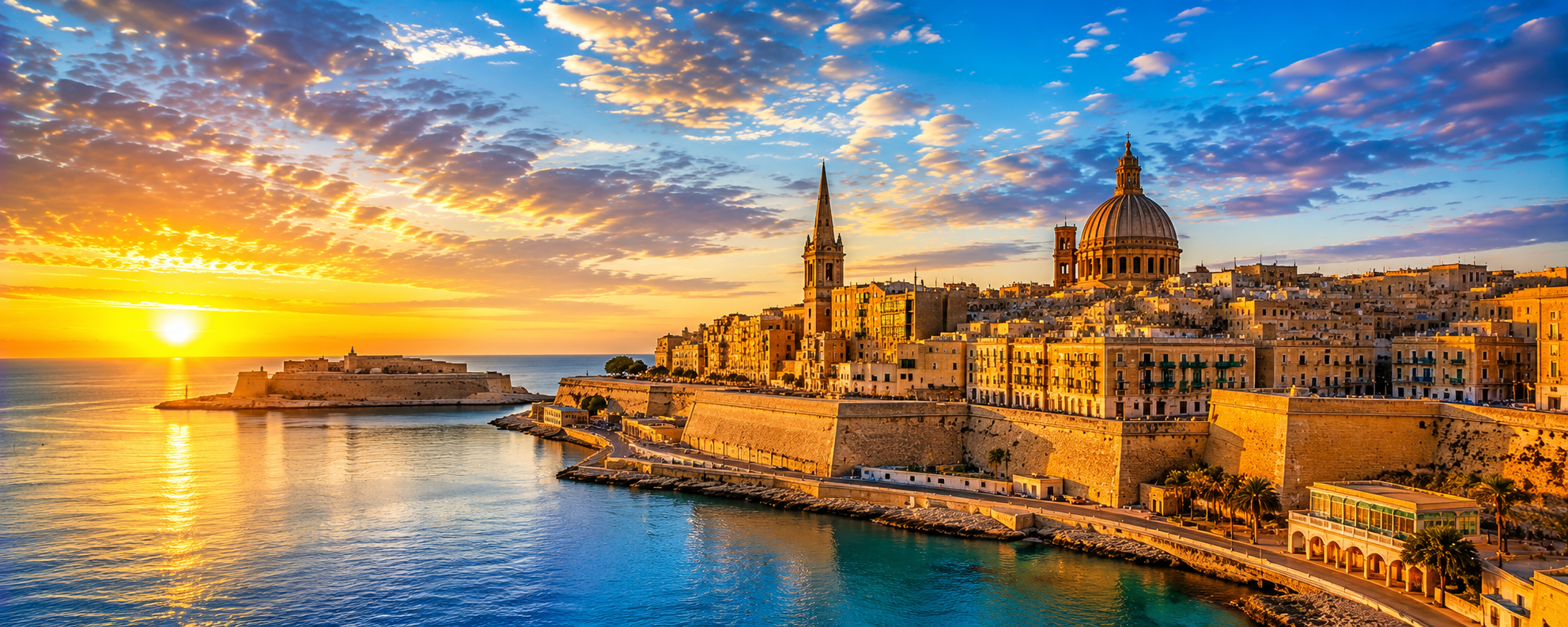
Malta suits students drawn to a smaller, more personal academic environment set against a genuinely Mediterranean lifestyle. English-medium teaching removes a common barrier to studying in Europe, while EU membership keeps qualifications recognized across the continent. The islands' compact size makes travel and daily life notably simple, and international enrolment has grown quickly as more students discover what Malta offers. For those wanting warmth, safety and a close community alongside a European degree, Malta presents a distinctive option.
Most universities accept IELTS, TOEFL, or PTE as proof of English proficiency. Some institutions may waive the requirement if previous education was completed in English.
Yes. Many universities in Malta offer merit-based scholarships, tuition fee discounts, and financial aid for eligible international students.
Yes. Most universities accept reasonable study gaps if applicants provide valid reasons such as work experience, internships, entrepreneurship, or additional education.
Yes. Eligible international students may work part-time while studying, subject to Maltese immigration and employment regulations.
Graduates may be eligible to remain in Malta to seek employment, depending on current immigration policies and eligibility requirements.
Yes. Graduating from a Maltese institution can provide opportunities to build a career in Malta and gain valuable international experience within the European Union.
The complete admission process—including university application, admission, student visa, and travel arrangements—typically takes 2–5 months, depending on the intake and document readiness.