

Canadian Family Sponsorship: A Complete Guide for Applicants
Are you planning to reunite with a loved one in Canada? Family reunification remains one of the most emotional parts of immigration. Understanding family sponsorship Canada rules early can save you months of delay. This guide walks you through every major category, so you know exactly where you stand before you apply.
Family Class Sponsorship
Family Class Sponsorship is a program for Canadian citizens or permanent residents to sponsor close relatives to Canada permanently.
It includes spouses, common-law partners, conjugal partners, and dependent children eligible under existing provisions. First, you have to establish that you are eligible to be a sponsor. This involves fulfilling residency requirements, establishing eligibility and signing an official declaration. That’s a plan to financially support your relative when they arrive. Sponsors must also show they are not currently receiving social assistance for reasons other than disability.
There should be clear and honest documentation between the person you sponsor and you. This typically includes photographs, conversation logs and co-financed documents if applicable.
Processing times vary depending on which sub-category you fall under. Some applications move quickly, while others face longer review periods due to volume. You can avoid common paperwork blunders by working with a knowledgeable consultant. Below, you will find a full breakdown of each sponsorship pathway available under this category, along with the specific documents and conditions tied to each one.
Spouse or Common-Law Partner
Sponsoring a spouse or common-law partner is one of the most frequent family sponsorship requests in Canada. You will need to establish that the relationship is real and not one that is entered into just for immigration. You can use marriage certificates, cohabitation proof, or shared financial records to prove your case.
To be recognized as common-law partners, you must have cohabited for at least one year. Same-sex and opposite-sex relationships are treated equally under Canadian immigration law. You will also need to complete relationship questionnaires as part of your application package. Officers carefully scrutinize this evidence before approving it. When filing, there are two possibilities depending on your partner’s current residence. The impact of each route varies with respect to processing speed, travel flexibility and work eligibility.
Below, both pathways are detailed, as well as the spousal open work permit. Choosing the right pathway from the start reduces delays and prevents unnecessary refusals. Immigration applications often require close attention to detail, and many applicants seek advice from an immigration specialist before deciding which path is best for them and their family.
Outland sponsorship is the process that is initiated before your spouse or partner moves to Canada. This option is selected if the partner is in another country. In most instances, it is somewhat faster than the inland route.
The one big advantage is travelling during the waiting period. Your partner may be able to enter and leave Canada as a visitor during the application process. But entry isn’t guaranteed, as a border officer will assess each visit. Rejected entry may make it more difficult to get entry in the future.
Outland sponsorship is best for couples who are comfortable living apart for a short while. It also suits situations where your partner has strong ties abroad, such as a job or family. Documentation required includes proof of relationship, background checks and a medical examination.
The sponsor must also provide financial evidence throughout the process. This is a favored choice for many couples as it allows their case to proceed in the visa office closest to the applicant. In general, outland sponsorship is a stable and secure route to reuniting with family in Canada.
Inland sponsorship is for those who already live with their spouse or partner in Canada. This is a popular option for couples in a valid temporary relationship. A major benefit is the option to apply for a spousal open work permit with the sponsorship application. This permits your spouse to work lawfully until permanent residency is granted. Normally, however, anyone who applies inland can’t leave Canada without jeopardizing their application.
Abandoning the sponsorship process may be interpreted as leaving the country. This makes the inland sponsorship more appropriate for couples who are not moving during the processing. Applicants must have valid temporary status for the entire review period. A drop in status might affect or even invalidate the application.
Relationship and financial proof are required for supporting documents that are the same as those required for outland sponsorship. The extra layers of complexity with travel restrictions are not to be taken lightly here. Inland sponsorship is selected to take advantage of the work permit benefit included when a file is submitted for sponsorship.
An open work permit for your spouse allows them to work for nearly any employer in Canada while the sponsorship is being processed. This permit is usually attached to the inland sponsorship application and not the outland route.
It eliminates the requirement for a job offer or labour market assessment. Once approved, your partner can start working almost immediately after receiving the permit. This means the sponsoring partner can not only help provide for their child’s needs, but also be relieved of a significant financial burden.
Applicants must have obtained eligibility for sponsorship. This permit will still take a few months to process. During the wait, your partner may not have any legal right to work in Canada.
For new applicants, it is highly recommended to plan the household budget around this gap. Once granted, the permit generally remains valid until a final decision on sponsorship. This benefit is one of the main reasons to choose the inland route. The increased income stability can make a significant difference for many families during a long review process and at times of uncertainty.
Child or Other Dependent
A dependent child under the age of 22 can usually be sponsored if they are unmarried. For older children with a disability, in some circumstances, sponsorship may still be available. This must be supported by formal evidence of the parent-child relationship.
Typically, birth certificates, adoption documents, or court records are needed for this. Custody arrangements must also be documented if parents are separated or divorced. If a dependent has children of their own, those children may qualify too. Proof of financial support is always required in this category. Background checks and medical exams are required for dependents as well as spouses.
The processing times may differ depending on the child’s current country of residence. In some situations, the relationships or custody situations may seem ambiguous, requiring extra consideration.
An experienced consultant can help ensure your documentation package is complete and accurate. One of the top reasons for delays in this category is missing documents or errors, so preparation matters and can make the difference between a smooth outcome and delays.
Parents and Grandparents
The process for bringing parents and grandparents to Canada is separate and typically more competitive. This broader category includes two main pathways for families to consider.
Knowing both will assist you in choosing the right one for you. The Parents and Grandparents Program leads toward permanent residency but has limited yearly spots. The Super Visa Canada program, on the other hand, presents a long-term visiting visa option that is flexible.
Many families take both approaches together in order to increase the likelihood of reuniting. A major part of success with either pathway is financial readiness. Sponsors must demonstrate they can support their parent(s) or grandparent(s) without government aid. Rules and intake times vary periodically, so it’s important to be informed. Missing key deadlines can mean waiting an entire additional year for another opportunity.

The Parents and Grandparents Program, known as PGP, opens through a lottery-style intake window. This is a limited window of time for sponsors to submit an interest-to-sponsor form. A random selection of those who are chosen is invited to submit a full application.
Spots are limited, so you must submit your interest on time every year. Most often, you miss the window and have to wait another year. After an invitation, sponsors have a maximum of a certain number of days to submit. This includes income documents, relationship documents, and forms required by the government.
You must meet the minimum income threshold before being invited. This income must be demonstrated by the sponsors without exception for the past few tax years. Immigration, Refugees and Citizenship Canada (IRCC) usually publishes intake dates ahead of time annually. Preparing your documents before the window opens can save valuable time.
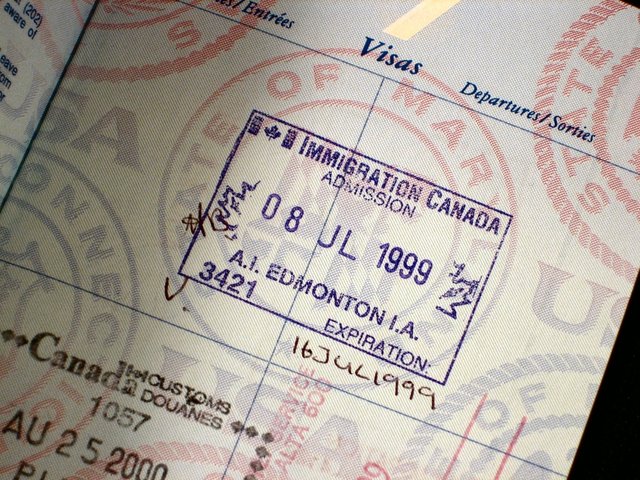
If you are not selected for PGP, the Super Visa Canada program offers a practical alternative. It enables parents and grandparents to visit for up to five years in a row. Compared with permanent visa options, this visa does not require immigration medical admissibility for residency.
Applicants will have to undergo a basic medical examination before being approved. Private medical insurance for at least one year must be provided. Sponsors must also show sufficient income to support their visiting parent or grandparent.
Financial proof is often given in the form of a notice of assessment or an employment letter. Many families use the Super Visa as a bridge while waiting for PGP. Unlike the traditional sponsorship pathway, it does not directly lead to permanent residency. But it does offer longer visits without having to reapply yearly.
Most visa holders can apply to extend their stay, if they wish, while in Canada. This flexibility can make the Super Visa appealing to families with time and cost concerns, particularly those who may still hope to receive a PGP invitation in the future.
Minimum Necessary Income
Sponsors must demonstrate they can financially support the person they intend to sponsor. This is called the “minimum necessary income” and changes based on family size. Usually, you provide proof through notices of assessment from the prior year’s taxes.
Certain sponsorship categories, such as spouses, may not always have to achieve this level of eligibility directly. Others, particularly the Parents and Grandparents Program, apply it strictly and consistently.
To qualify for PGP cases, income should be demonstrated over three successive tax years. An incomplete or rejected application may result if this is not met. Self-employed sponsors find it harder to establish stable, consistent income.
Combining income with a co-signer is sometimes possible, depending on program rules. It is highly recommended to plan your money well in advance of your application date.
Errors in tax filing or unreported income can unexpectedly complicate this requirement. Many applicants seek advice from an accountant and their immigration adviser to ensure they are eligible. By doing this early, you will have a clearer, more accurate understanding of your readiness before investing time and resources in a complete sponsorship application.

Get Maintained Status
Maintaining legal status in Canada is important during the application process. This is often called maintained status, and it applies in specific circumstances. It activates when you apply for a permit extension before it expires.
As long as your extension application is submitted on time, your status continues. This will enable you to stay in Canada legally while waiting for the decision. By keeping up with these deadlines, you can ensure you continue to stay in Canada.
It also helps avoid future complications in sponsorship and/or renewal applications. Failing to renew a permit before the deadline not only exposes you to a heavy fine but also costs you crucial time.
When status lapses, reestablishing it is more difficult and time-sensitive. Anyone going through a long process must track expiry dates. For safety, many applicants set reminders well before their permit expires. This simple step helps avoid unnecessary stress and protects your immigration process, especially when you’re waiting for a family sponsor or a visitor visa such as the Super Visa.