

Canadian Citizenship: Your Complete Guide to Eligibility and Application
Are you wondering whether you finally qualify for Canadian citizenship? For many permanent residents, this milestone feels within reach but confusing. Understanding Canadian citizenship eligibility clearly can make the process far less stressful. This guide walks you through every stage, from checking eligibility to receiving your certificate.
About Canadian Citizenship
Canadian citizenship is the last step in your immigration process after permanent residency. It gives you full rights, such as the right to vote and hold a Canadian passport. Also, citizenship will not be taken away from you.
Unlike permanent residency, you don’t need to renew or monitor citizenship afterward. Under the Citizenship Act, applicants must meet several conditions before IRCC approves an application. These include physical presence, income tax compliance, and valid permanent resident status.
Bill C-3 also significantly amended the citizenship by descent rules, which entered into force on December 15, 2025. This bill eliminated the previous first-generation eligibility requirement for many people born outside Canada. Because these changes affect thousands of households, it is important to stay up to date with the latest regulations.
Below are the eligibility criteria, calculation steps, and application steps. Each section explains exactly what Immigration, Refugees and Citizenship Canada expects from applicants today, so you can prepare a complete and accurate submission from the start.
The first step towards Canadian citizenship eligibility is to be a valid permanent resident. No immigration violation or removal order can be issued against you while you are under review.
The physical presence requirement is a key element of current Canadian law. You must have lived in Canada for at least 1,095 days within the last five years. Temporary resident time may be counted as half days to permanent resident status. This half-day credit is capped at a maximum of 365 days total.
You must also have filed Canadian income tax returns for at least three years. This is particularly during the last five years prior to your application. Candidates must be 18-54 years of age and proficient in English or French.
Speaking and listening must meet Canadian Language Benchmark (CLB) level four. Candidates of the same age as above must also pass the Canadian citizenship test. This test covers Canadian history, the Canadian government, Canadian geography, and citizens’ rights. Completing all requirements before applying reduces the likelihood of further delays or rejections later on.
Before submitting your application, calculating your physical presence accurately is essential. IRCC has an official online physical presence calculator that is designed for just this reason.
Each trip outside of Canada will have to be carefully documented. Each day spent inside Canada as a permanent resident counts as one full day. Days spent as a temporary resident count only as half days, up to the cap.
Time spent serving a prison sentence or on parole does not count at all. This is very important so that you don’t make any mistakes that might slow down your application. Some candidates underestimate short trips abroad, which may have an unforeseen impact on the overall tally.
The more you use the calculator, the more accurate your numbers will be, as the five-year window rolls over. It also helps you pinpoint the earliest date you can apply. Collecting travel documents, old passports, and boarding passes helps with this calculation process.
When you know you are eligible to apply early, you will have time to get everything else in order, such as your language skills, outstanding tax filings, etc., well in advance of the date you intend to apply.
If you have confirmed your eligibility, the application process has multiple steps in a structured manner. First, complete an official application form on the IRCC website. Then you collect supporting materials such as proof of permanent resident status and a language assessment.
You must also include photographs, identity documents, and physical presence records. Once you submit your file, IRCC will review your file and may ask for further information. Then applicants aged 18 to 54 will be tested for citizenship. This test is now mostly administered digitally, rather than on paper, and is the preferred test for most applicants.
If you pass, you will advance to interviews or a ceremony. Processing time varies depending on application volume and the complexity of each application.
Keep copies of everything you submit in case anything goes missing. During this step, many applicants opt to use a consultant to minimize errors.
In some cases, a single missing document can delay your file for several months. Plan carefully to keep the process smooth.
Benefits of Canadian Passport
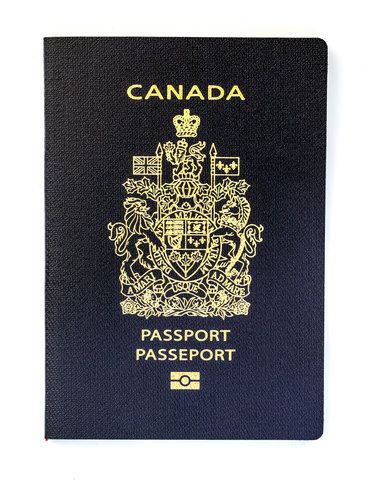
A Canadian passport offers a pathway that permanent residency doesn’t. It offers visa-free or visa-on-arrival travel to many countries around the world. This passport is highly regarded, and most travelers have a smoother crossing of borders.
In addition to travelling, citizenship eliminates the possibility of losing citizenship while away from home. Over time, permanent residents can lose their status if they do not meet residency requirements.
Citizens face no such restriction, and they can stay outside Canada as long as they like. A Canadian passport also entitles you to obtain consular assistance nearly anywhere in the world. This assistance can be life-saving in times of crisis, disaster, or even foreign political unrest. Citizenship also entitles you to full voting rights in federal, provincial and municipal elections. It also opens access to certain government jobs restricted to citizens only.
Permanent residency is not required for many professional licenses or security clearances. Family members can also benefit indirectly through sponsorship routes for citizens to support family members abroad. Overall, the passport symbolizes a permanent, unconditional bond with Canada that residency status cannot replicate for you or your future generations.
Apply for Proof of Citizenship
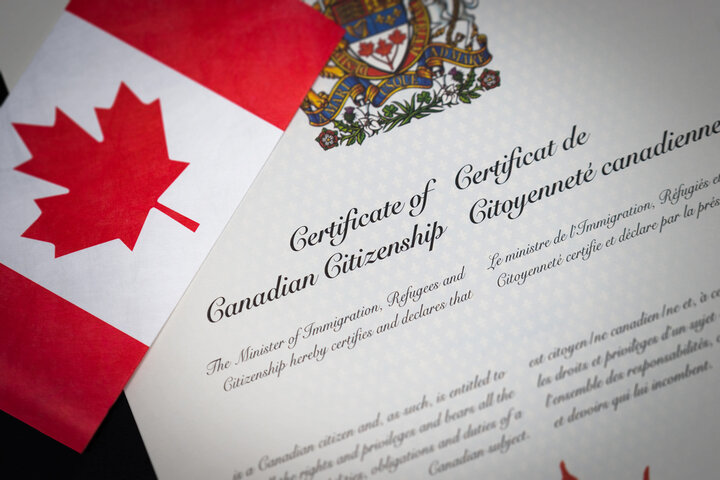
Those born in Canada or citizens by descent may require formal proof. This is sometimes called a citizenship certificate and is an official statement of citizenship. This proof is usually required for a first-time passport application.
It’s also needed for some government services or benefits. Many people previously ineligible for Bill C-3 may now be eligible. If you were born before December 15, 2025, retroactive eligibility may already apply.
A new substantial connection test is instead used for children born on or after that date. Typically, this means having a Canadian parent who must satisfy a physical presence requirement of 1,095 days.
The application process includes submitting identification papers, birth records, and evidence showing an association with a citizen of Canada. Processing times for proof of citizenship applications may vary based on the volume and complexity of applications submitted.
Because the rules have recently changed, those previously refused are strongly encouraged to reapply under the new guidelines. If you have been refused in the past, this won’t impact the new application under the current law. Documenting as much information as possible up front is the best way to avoid wasting time.
Dual Citizenship
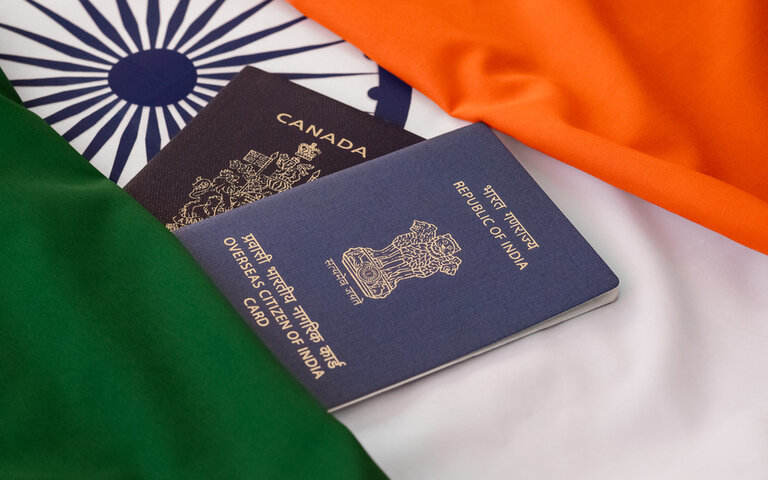
Dual citizenship is fully accepted in Canada, meaning that you can have Canadian citizenship in addition to another country’s citizenship.
You don’t have to give up your citizenship when you become Canadian. This makes Canada a good place for those with strong connections elsewhere to apply. But not all countries permit dual citizenship under their own laws.
It is important to check with your own country before taking it for granted that you can hold dual citizenship. Some nations require formal renunciation once you acquire foreign citizenship elsewhere.
Dual citizenship entails rights and duties from both countries. This may include tax liability, military service requirements, or, in some cases, travel limitations. You will need to use your Canadian passport to enter Canada when travelling abroad. Using your other passport may limit consular protection while you are in that country.
When dual citizenship has more complicated tax implications, legal and financial counsel may be recommended. Most applicants find dual citizenship easy, as long as their home country clearly allows it.
Before you are officially granted Canadian citizenship, it is important to understand both systems of law to avoid surprises after you become a Canadian citizen.
Citizenship Ceremony
Those born in Canada or citizens by descent may require formal proof. This is sometimes called a citizenship certificate and is an official statement of citizenship. This proof is usually required for a first-time passport application.
It’s also needed for some government services or benefits. Many people previously ineligible for Bill C-3 may now be eligible. If you were born before December 15, 2025, retroactive eligibility may already apply.
A new substantial connection test is instead used for children born on or after that date. Typically, this means having a Canadian parent who must satisfy a physical presence requirement of 1,095 days.
The application process includes submitting identification papers, birth records, and evidence showing an association with a citizen of Canada. Processing times for proof of citizenship applications may vary based on the volume and complexity of applications submitted.
Because the rules have recently changed, those previously refused are strongly encouraged to reapply under the new guidelines. If you have been refused in the past, this won’t impact the new application under the current law. Documenting as much information as possible up front is the best way to avoid wasting time.
Ontario Documents
If you were born, married, or changed your name in Ontario, ServiceOntario handles your records. This is the province’s Office of the Registrar General for vital statistics. You can obtain a certified birth certificate from the ServiceOntario website. Mail or in-person applications are also accepted at certain sites.
For citizenship applications, a certified copy is generally required rather than a photocopy. Immigration, Refugees and Citizenship Canada will not accept uncertified extracts. Standard and expedited service have different processing times. Expedited requests cost more but reduce wait times during peak periods.
If your name has changed since birth, a separate change of name certificate may be needed. Ordering marriage certificates follows the same process as ordering birth certificates and is done through the provincial system.
Keeping your documents consistent and up to date in Ontario prevents confusion during federal processing. Request volumes may occasionally slow deliveries, as Ontario is Canada’s most populous province.
For most applicants, it is still best to make your citizenship application well in advance of the deadline.
Nova Scotia Documents
Vital records in Nova Scotia are managed through Vital Statistics, part of Service Nova Scotia. Residents born, married, or who changed their name there can request certified copies online.
In addition to the traditional mail-in application forms, the province has an online ordering option. Birth certificates here have security features for federal identification purposes. When applying for citizenship, always ask for a certified long form card, not a wallet-sized one.
IRCC usually requires all documentation, including parents’ names and registration information. Nova Scotia marriage certificates have a similar request and verification procedure. If you were adopted in the province, you may need additional consent or court documentation.
Vital Statistics must record any name changes before issuing a new certificate. Processing times in Nova Scotia may vary seasonally and as demand increases. Candidates intending to travel overseas or apply for Federal jobs should make their applications early to prevent any delay.
Rules may be revised from time to time, so it is advisable to review the current version of the Vital Statistics website. This helps to keep your documents valid and accepted without problems when you apply for citizenship later on in your citizenship file.
Quebec Documents
In Quebec, vital records are under the jurisdiction of a separate provincial body, the Directeur de l’état civil. This office registers births, marriages, and deaths throughout the province. Because of this unique civil law tradition, Quebec’s system is slightly different from the other provinces.
The certificates are usually in French and sometimes in English (translation). If the original document is not bilingual, you may need a certified translation for citizenship applications. You can request documents online, by mail, and sometimes at service counters.
During busy times, processing times in Quebec may be longer than in some provinces. Older records can take longer to digitize if born before certain years. Name change certificates are not administrative requests, but a formal legal process. Marriage certificates must be registered correctly, with all marriage details entered exactly as they appear on all other identity documents.
IRCC reviews documents carefully, and discrepancies between Quebec and other documents will cause delays. Applicants should check the translation requirements early, as they are often overlooked. Preparation is especially important given Quebec’s potentially longer processing times for vital records.
Prince Edward Island Documents
The provincial Vital Statistics office provides Prince Edward Island with vital records. This smaller registry still provides the basic documents needed for citizenship.
You can request birth, marriage, and name change certificates online or by mail. Being a smaller population, processing time is generally fairly quick on Prince Edward Island. However, delays can occur during peak use times and holiday periods. Certified copies with official seals are required for citizenship applications. Federal officials will not accept photocopied or scanned images that are not certified.
Older paper records may need to be retrieved manually if your birth was registered many years ago. This can sometimes be a longer-than-expected processing time. You obtain marriage certificates the same way you obtain birth certificates, through the same provincial office.
Documents can be requested remotely with no problem for applicants who have relocated from the province. We suggest keeping copies of your Prince Edward Island documents, both digital and physical. This will protect you if you lose or damage any original documents during your citizenship application process. Confirming current fees and turnaround times directly with the province avoids surprises.
Alberta Documents
Alberta Vital Statistics, part of the provincial government, handles Alberta’s vital records. Residents can order certified birth, marriage, and name change certificates through registry agent offices. Online ordering is also available across the province for added convenience. Only certified certificates bearing official government seals are accepted for citizenship eligibility.
Printouts, even from official sources, are not federal requirements if they are not certified. With Alberta’s population rising, a high volume of requests is being processed. This can sometimes cause delays during peak application periods. Special court and consent documents may also apply.
You must formally register a name change before a certificate indicating a name change is issued. Marriage certificates must contain the exact information found in other records. Alberta does not have one government office; instead, it uses registry agents, so service quality may vary. A good registry agent can offer smoother, faster processing, as they are often well reviewed.
Applicants preparing for citizenship should order Alberta documents several weeks ahead of their intended submission date.
Manitoba Documents
Manitoba’s Vital Statistics Agency oversees birth, marriage, and name change registrations across the province. Certified copies are available online, by mail, and at certain offices. Only official documents with a seal are accepted for federal citizenship.
Sometimes older records with manual retrieval from the archives take longer to become available in Manitoba. For a birth that took place several decades ago, it is especially important to request it early.
The request for marriage certificates is the same as the request for birth certificates, and it is made to the same provincial agency. In order to obtain a new certificate, name changes must be registered first. If you are adopted, you may need to provide additional adoption documentation.
In emergency situations, Manitoba also provides expedited processing (with additional fees). This may be helpful if you have a citizenship application deadline approaching quickly. It is important to note that fees will vary from time to time, and applicants should always check the fees at the time of applying.
Safely storing certified copies will help you avoid a last-minute scramble during your federal application process.
In general, the Manitoba system is simple as long as you make requests from the beginning with accurate, complete information.
New Brunswick Documents
New Brunswick manages vital records through Service New Brunswick, its centralized government service agency. All birth, marriage, and name change certificates are issued from this office. Online applications are available, along with traditional mail-in and in-person options province-wide.
Citizenship applications require certified long-form certificates, not summaries. Short-form certificates may not include enough detail for IRCC to verify your identity fully. Documents can be issued in English or French because New Brunswick is bilingual. If you need a translation for federal purposes, arrange it in advance to avoid delays.
The process of certification is similar for marriage certificates issued under the provincial system. The new name must be officially registered before a new certificate can be issued. Generally, processing time is reasonable, but requests may be delayed during peak season.
If you were adopted within the province, you may also need additional supporting documentation. Applicants are encouraged to double-check that names match exactly across all documents.
Small discrepancies between New Brunswick records and other identity files can trigger federal follow-up requests.