
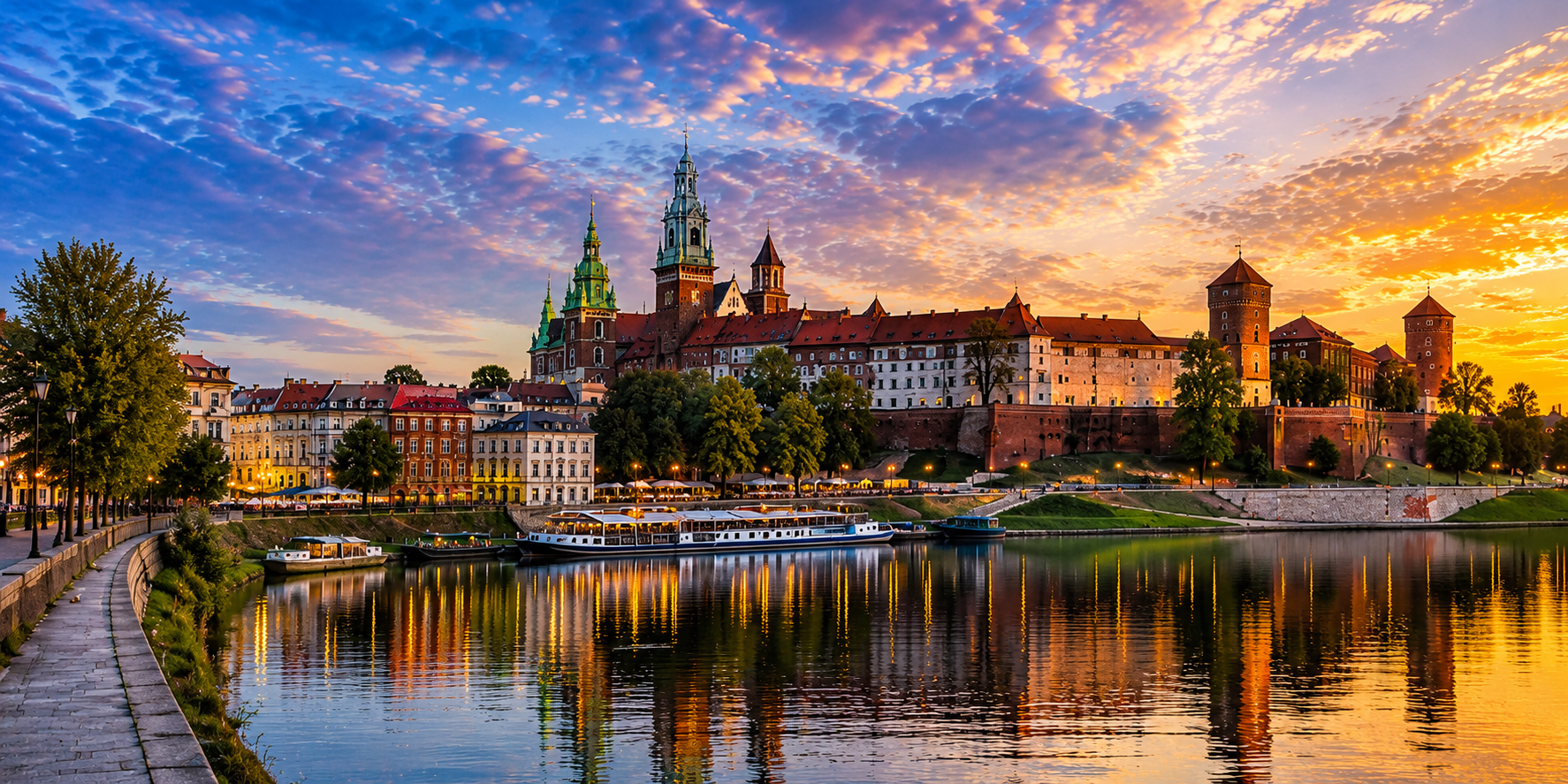
Poland suits students who want a genuine European degree without the tuition levels common further west. Its universities have expanded English-taught offerings substantially, particularly in Warsaw, Krakow and Wroclaw, while maintaining a rigorous, tradition-rooted academic culture. Engineering, IT and business programs carry particular strength, supported by a growing domestic technology sector. Combined with historic cities and a genuinely affordable cost of living, Poland offers strong value for students and families comparing options across the European Union.
Most universities accept IELTS, TOEFL, or PTE as proof of English proficiency. Some universities may waive the requirement if previous education was completed in English.
Yes. Many Polish universities and government scholarship programs offer merit-based scholarships, tuition fee waivers, and financial support for eligible international students.
Yes. Most Polish universities accept reasonable study gaps when applicants provide valid explanations such as work experience, internships, entrepreneurship, or additional studies.
Yes. International students are generally permitted to work part-time while studying according to Polish immigration and employment regulations.
Graduates may be eligible to remain in Poland to seek employment and build careers in various industries, subject to current immigration regulations.
Yes. Graduates who obtain eligible employment and meet Polish immigration requirements may become eligible for long-term residence and, eventually, permanent residency.
The complete admission process—including university application, admission, student visa, and travel preparation—typically takes 2–5 months, depending on the intake and document readiness.